

What Is Jungian Coaching?
Emerge From Within
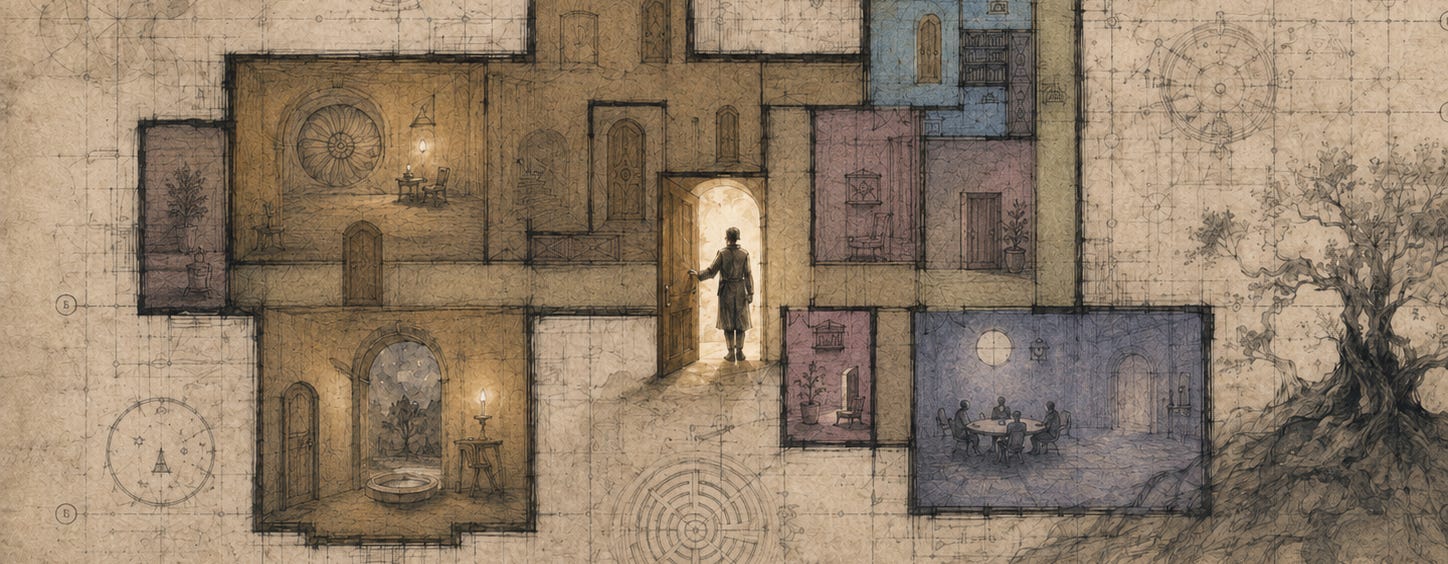
Jungian coaching uses the tools and ideas developed by C.G. Jung, the founder of Jungian depth psychology.
Unlike coaching that focuses mainly on goals, plans, and outward performance, Jungian coaching begins with a different question:
What is trying to emerge from within?
From a Jungian perspective, we have access to thoughts, feelings, images, instincts, and inner knowledge that are not yet fully conscious. Dreams are one way this deeper material can reach us. So are strong emotions, body sensations, intuitions, recurring patterns, synchronicities, and images that stay with us.
Jungian coaching offers ways to listen to this material with curiosity and respect.
Some of the methods used may include dreamwork, active imagination, guided imagery, embodied imagination, symbolic exploration, and attention to the feelings or sensations that arise during the work.
The purpose is not to force a quick answer. It is to create a space where something new can be heard.
How is this different from traditional coaching?
Many forms of coaching help people clarify goals, make plans, and change habits. That can be useful.
Jungian coaching works differently. It is less focused on pushing toward an outside goal and more focused on reconnecting with inner wisdom.
It asks what old patterns may no longer be serving you. It listens for images, dreams, emotions, and instincts that may point toward a new way of living.
This can be especially helpful during life transitions: retirement, grief, illness, caregiving, aging, identity change, creative renewal, or the feeling that an old life structure no longer fits.
What is individuation?
Jung used the word individuation to describe the lifelong process of becoming more fully ourselves.
Individuation is not about self-improvement in the ordinary sense. It is not about becoming more efficient or impressive. It is about becoming more whole.
Sometimes this means shedding old roles, listening to neglected parts of the self, or discovering meaning in experiences we had not fully understood.
Dreams, symbols, and images often speak in the language of this deeper process.
Why dreams and images?
Symbols and images are often the language of transformation.
A dream may bring us a figure, place, animal, object, or scene that feels strange but important. Guided imagery may reveal an image that carries emotion or meaning. A body sensation may point toward something we have not yet found words for.
In Jungian coaching, these experiences are not dismissed. They are approached with curiosity.
What might this image want us to notice?
What feeling comes with it?
What part of life is asking for attention?
What door might be opening?
Is this therapy?
Jungian coaching is not the same as long-term psychotherapy. Some people use it alongside therapy, while others come because they are facing a specific life question or transition and want a different kind of reflective support.
The work is usually short-term, though some people continue with dreamwork or guided imagery over time.
The goal is to help clients discover their own insight, language, and next steps — not to impose an answer from the outside.
Why this work matters
There are times when ordinary problem-solving is not enough.
A life transition may ask more of us than a plan. It may ask us to listen differently. To pay attention to dreams. To notice what the body knows. To make room for grief, imagination, memory, instinct, and meaning.
Jungian coaching offers a way to approach these moments with curiosity rather than fear.
Sometimes, when life no longer fits the old shape, a hidden door begins to appear.